Address
304 North Cardinal St.
Dorchester Center, MA 02124
Work Hours
Monday to Friday: 7AM - 7PM
Weekend: 10AM - 5PM
Address
304 North Cardinal St.
Dorchester Center, MA 02124
Work Hours
Monday to Friday: 7AM - 7PM
Weekend: 10AM - 5PM

 Bydemanmed
Welcome to My Blog!
Before we dive into the content, if you’re interested in our products or have any questions, please feel free to visit our Contact Us page on the website. Our team is ready to assist you with inquiries, orders, or any support you may need.
Now, let’s get started on our journey together. I hope you find the content here insightful, engaging, and valuable.
In today’s healthcare environment, selecting the right durable medical equipment is a critical decision for hospitals, clinics, nursing homes, rehabilitation centers, and home care providers. Durable medical equipment plays a vital role in patient care, operational efficiency, safety, and long-term cost control. Unlike disposable medical supplies, durable medical equipment is designed for repeated use over an extended period, often lasting several years or even decades when properly maintained.
From hospital beds and operating tables to wheelchairs, patient lifts, and diagnostic furniture, durable medical equipment directly impacts patient comfort, caregiver productivity, and regulatory compliance. Choosing low-quality durable medical equipment may lead to frequent breakdowns, increased maintenance costs, safety risks, and even legal liabilities. On the other hand, investing in high-quality durable medical equipment ensures long-term value, reliability, and improved healthcare outcomes.
This comprehensive guide will walk you through how to choose high-quality durable medical equipment for long-term use, covering essential factors such as materials, certifications, manufacturing standards, total cost of ownership, and supplier reliability. Whether you are a healthcare administrator, procurement manager, distributor, or clinic owner, understanding how to evaluate durable medical equipment will help you make informed and cost-effective decisions.
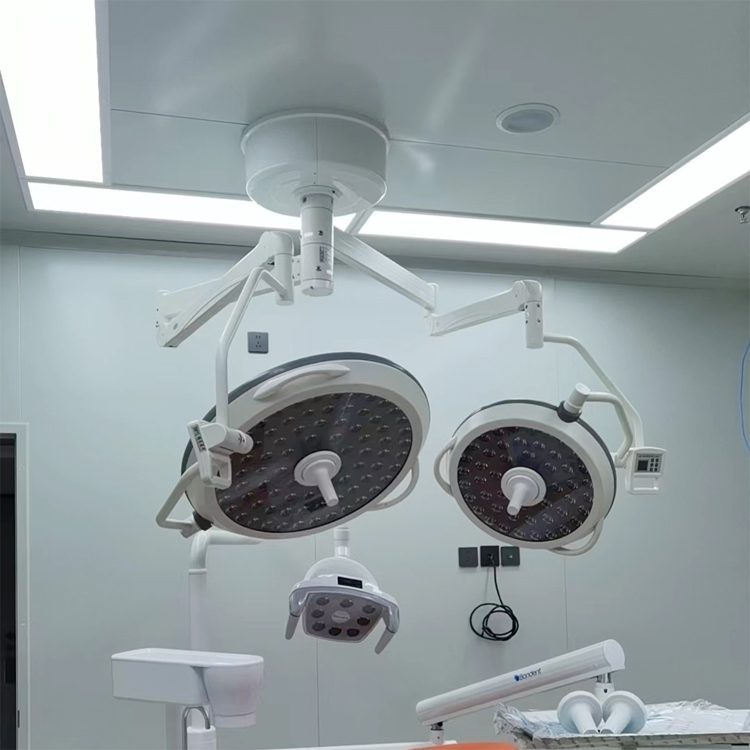
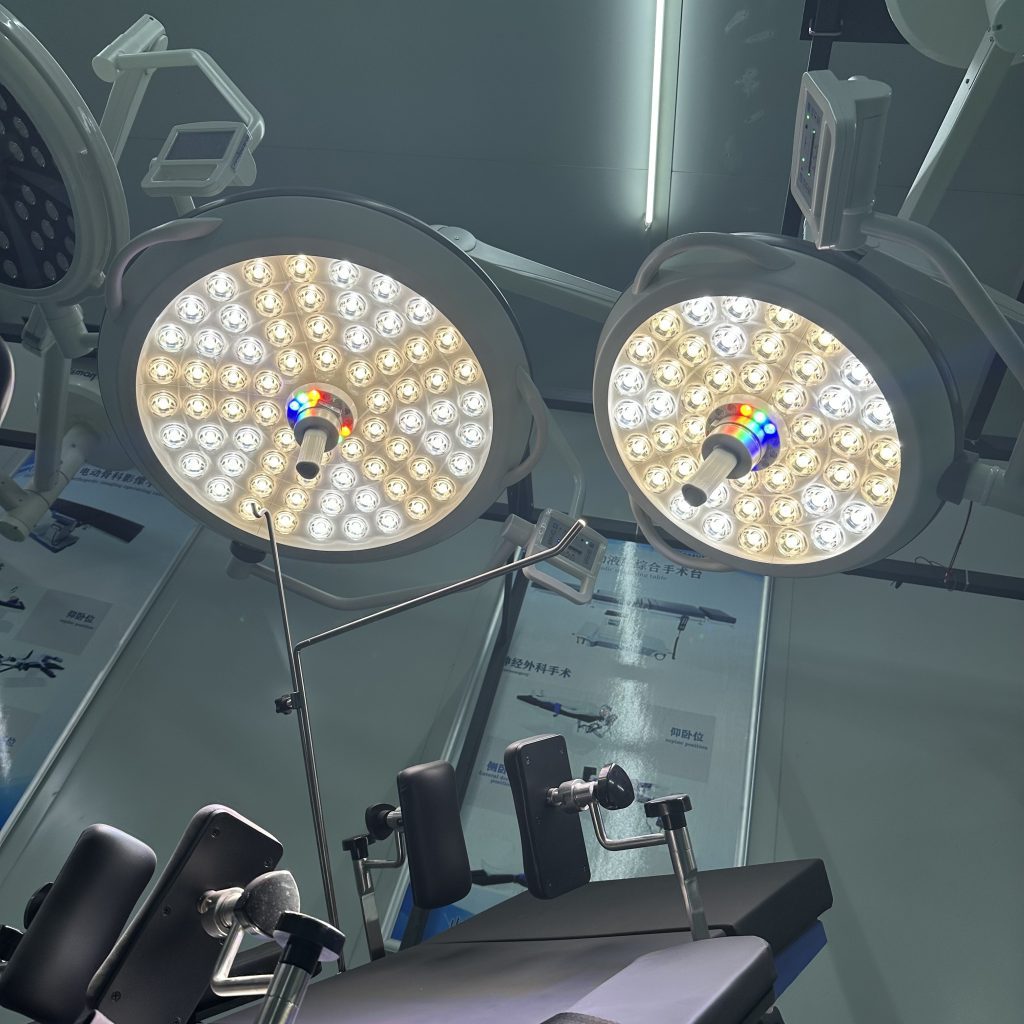
Durable medical equipment (commonly abbreviated as DME) refers to medical devices and equipment that are:
Common categories of durable medical equipment include:
The defining characteristic of durable medical equipment is durability. High-quality durable medical equipment must maintain performance, safety, and structural integrity even under continuous clinical use.
Investing in high-quality durable medical equipment is not just about initial performance—it is about long-term value. Poor-quality durable medical equipment often results in:
High-quality durable medical equipment, on the other hand, provides:
In healthcare environments where equipment reliability can directly affect patient outcomes, choosing premium durable medical equipment is a strategic decision rather than an expense.
One of the most important aspects of durable medical equipment is the material used in its construction. High-quality materials ensure strength, corrosion resistance, and long-term stability.
Common materials used in durable medical equipment include:
| Material | Advantages | Typical Applications |
|---|---|---|
| 304 Stainless Steel | Corrosion-resistant, easy to clean, long lifespan | Operating tables, surgical lamps |
| Powder-Coated Steel | Strong, cost-effective, durable finish | Hospital beds, medical carts |
| Aluminum Alloy | Lightweight, rust-resistant | Mobility equipment |
| ABS Engineering Plastic | Impact-resistant, easy maintenance | Bed headboards, control panels |
For long-term use, durable medical equipment made with 304 stainless steel or reinforced steel frames is generally preferred, especially in surgical and ICU environments.
High-quality durable medical equipment must comply with recognized international standards. Certifications are proof that the durable medical equipment meets safety, quality, and performance requirements.
Common certifications include:
| Certification | Meaning |
|---|---|
| CE | Conformity with European health and safety standards |
| ISO 13485 | Quality management system for medical devices |
| ISO 9001 | General quality management system |
| IEC Standards | Electrical safety compliance |
When evaluating durable medical equipment, always request valid certification documents. Certified durable medical equipment reduces regulatory risk and enhances market credibility.
Durable medical equipment must perform consistently over time. Key performance factors to evaluate include:
For example, an electric hospital bed classified as durable medical equipment should operate smoothly even after thousands of lifting cycles. Performance testing is essential when selecting durable medical equipment for long-term use.
No matter how advanced, all durable medical equipment requires maintenance. High-quality durable medical equipment is designed for easy servicing, with standardized components and readily available spare parts.
Consider the following questions:
Durable medical equipment with modular design often reduces maintenance costs and downtime.
When purchasing durable medical equipment, focusing only on the initial price can be misleading. A more accurate evaluation involves the total cost of ownership, which includes:
| Cost Component | Description |
|---|---|
| Initial Purchase Cost | Equipment price |
| Installation Cost | Setup and commissioning |
| Maintenance Cost | Repairs and servicing |
| Spare Parts Cost | Replacement components |
| Downtime Cost | Loss of productivity |
| Lifespan | Years of effective use |
High-quality durable medical equipment may have a higher upfront cost but typically offers a lower total cost of ownership over its lifecycle.
The supplier is just as important as the product itself. A reliable supplier ensures consistent quality, stable delivery, and long-term cooperation.
| Evaluation Criteria | Why It Matters |
|---|---|
| Manufacturing Experience | Indicates product maturity |
| Factory Capabilities | Ensures production consistency |
| Quality Control System | Reduces defect rate |
| Export Experience | Familiarity with global standards |
| Customization Ability | Meets specific clinical needs |
A reputable supplier of durable medical equipment should be transparent about manufacturing processes, testing standards, and quality assurance systems.
Hospitals require durable medical equipment with high load capacity, advanced functionality, and strict compliance with medical standards. Typical products include:
Clinics often prioritize compact, cost-effective durable medical equipment such as:
These facilities rely heavily on durable medical equipment that enhances patient comfort and caregiver efficiency, such as:
Avoid these frequent mistakes when selecting durable medical equipment:
Each of these mistakes can significantly reduce the effective lifespan of durable medical equipment.
The durable medical equipment industry continues to evolve with advancements in technology and materials. Emerging trends include:
Investing in forward-compatible durable medical equipment ensures long-term usability and adaptability.
Choosing high-quality durable medical equipment for long-term use is a strategic investment that directly impacts healthcare quality, operational efficiency, and financial sustainability. By carefully evaluating material quality, certifications, performance stability, maintenance requirements, and total cost of ownership, healthcare providers can significantly reduce risks and improve long-term outcomes.
High-quality durable medical equipment offers superior reliability, longer lifespan, and better patient safety compared to low-cost alternatives. Partnering with a trustworthy supplier further ensures consistent quality and long-term support. Ultimately, making informed decisions about durable medical equipment is essential for building a sustainable and efficient healthcare environment.
Durable medical equipment refers to medical devices designed for long-term or repeated use, such as hospital beds, operating tables, wheelchairs, and medical carts.
High-quality durable medical equipment can last 5–15 years or longer, depending on usage, maintenance, and material quality.
Certifications ensure that durable medical equipment meets safety, performance, and regulatory standards, reducing risk and ensuring compliance.
Not necessarily. The key is value. High-quality durable medical equipment offers better performance and lower total cost of ownership, even if the initial price is higher.
Check certifications, request testing reports, evaluate material specifications, and choose suppliers with proven manufacturing experience.


