Dirección
304 North Cardinal St.
Dorchester Center, MA 02124
Horas de trabajo
De lunes a viernes: de 7.00 a 19.00 horas
Fin de semana: 10.00 A 17.00 HORAS
Dirección
304 North Cardinal St.
Dorchester Center, MA 02124
Horas de trabajo
De lunes a viernes: de 7.00 a 19.00 horas
Fin de semana: 10.00 A 17.00 HORAS

 Pordemanmed
Bienvenido a mi blog
Antes de entrar en materia, si está interesado en nuestros productos o tiene alguna pregunta, no dude en visitar nuestra página de Contacto en el sitio web. Nuestro equipo está a su disposición para cualquier consulta, pedido o ayuda que necesite.
Empecemos nuestro viaje juntos. Espero que encuentres el contenido aquí perspicaz, atractivo y valioso.
Cuando los hospitales, centros quirúrgicos y distribuidores médicos evalúan nuevos equipos quirúrgicos, una de las inversiones más críticas es la mesa de quirófano. Una mesa de quirófano no es solo un mueble; es un dispositivo médico esencial que afecta directamente a la precisión quirúrgica, la seguridad del paciente, la eficiencia del flujo de trabajo y los costes operativos a largo plazo.
Comprender la estructura de precios de las mesas de quirófano es esencial para los responsables de la toma de decisiones que desean equilibrar el coste inicial con la durabilidad, el rendimiento, la conformidad y el valor futuro. Una mesa de quirófano de bajo precio puede parecer atractiva en un principio, pero los costes ocultos, como el mantenimiento, la compatibilidad limitada o la corta vida útil, pueden aumentar significativamente el coste total de propiedad con el tiempo.
Esta guía de precios de mesas de quirófano ofrece un análisis exhaustivo de los factores de coste, rangos de precios, configuraciones técnicas y consideraciones de valor a largo plazo. A lo largo de este artículo, nos centraremos en la palabra clave mesa de quirófano, ayudando a los compradores a entender cómo tomar decisiones de compra informadas que maximicen tanto los resultados clínicos como la eficiencia financiera.
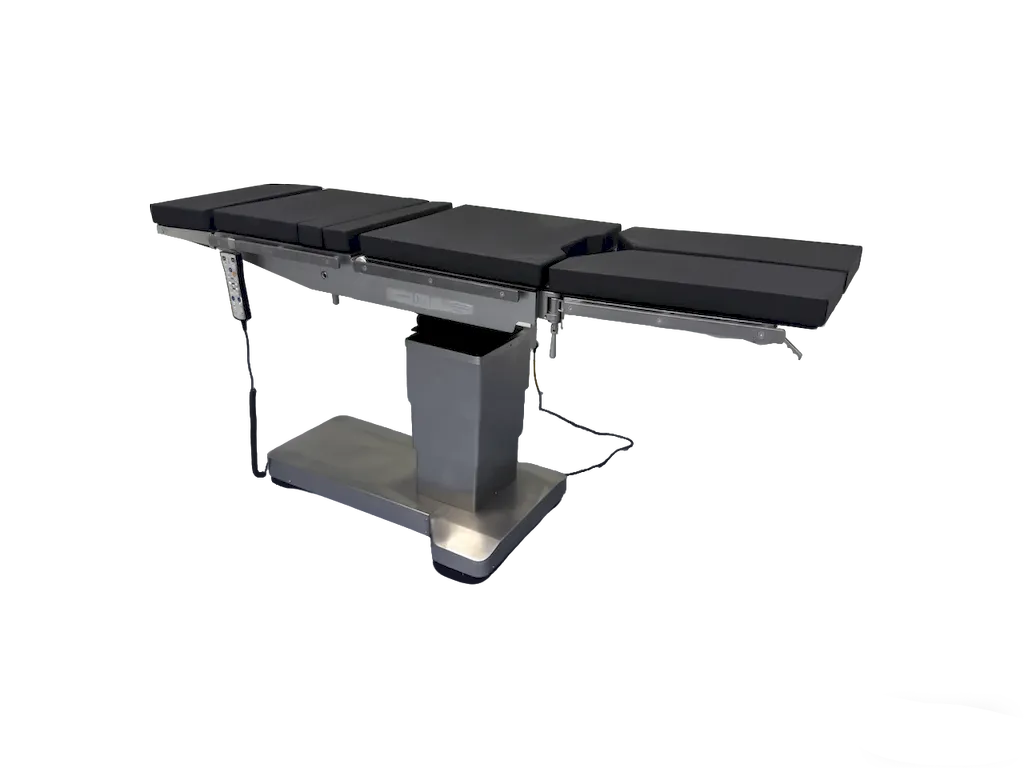
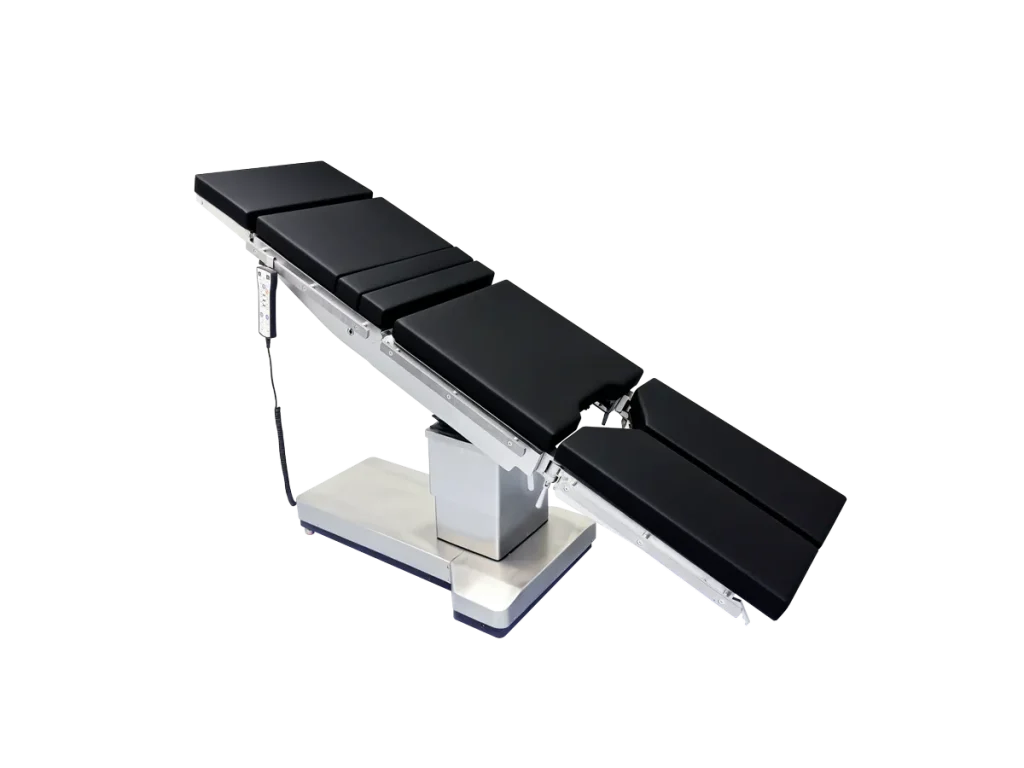
Una mesa de quirófano es una plataforma médica especializada diseñada para apoyar a los pacientes durante los procedimientos quirúrgicos. Debe ofrecer un posicionamiento preciso, estabilidad, compatibilidad con imágenes y adaptabilidad para múltiples disciplinas quirúrgicas como cirugía general, ortopedia, ginecología, neurocirugía y urología.
El precio de una mesa de quirófano puede variar mucho debido a los siguientes factores:
Una mesa de quirófano básica puede costar unos pocos miles de dólares, mientras que una mesa de quirófano de gama alta utilizada en quirófanos avanzados puede alcanzar niveles de precio superiores.
Comprender la segmentación de precios ayuda a los compradores a comparar opciones con mayor eficacia. A continuación se ofrece una visión general de los precios de las mesas de quirófano por categoría.
| Tipo de mesa de quirófano | Precio típico (USD) | Aplicaciones adecuadas |
|---|---|---|
| Mesa de quirófano manual | $2.000 - $5.000 | Clínicas pequeñas, procedimientos básicos |
| Mesa de quirófano eléctrica | $5.000 - $12.000 | Cirugía general, hospitales |
| Mesa de quirófano electrohidráulica | $10.000 - $25.000 | Uso multidepartamental |
| Mesa de quirófano compatible con imágenes | $15.000 - $40.000 | Ortopedia, traumatología, tratamiento del dolor |
| Mesa de quirófano modular de gama alta | $30,000 - $80,000+ | Quirófano híbrido, hospitales avanzados |
El precio de las mesas de quirófano aumenta significativamente a medida que se amplían la funcionalidad, la automatización y la compatibilidad de las imágenes.
El sistema de accionamiento es uno de los factores que más influyen en el precio de las mesas de quirófano.
Los sistemas electrohidráulicos ofrecen una fiabilidad y un control ergonómico superiores, pero elevan considerablemente el precio de la mesa de quirófano.
Las mesas de quirófano modernas deben soportar pacientes más pesados y montajes quirúrgicos complejos. Una mayor capacidad de carga requiere bastidores reforzados e ingeniería avanzada.
Una mayor capacidad de carga aumenta directamente el precio de la mesa de quirófano, pero garantiza la seguridad y el cumplimiento de la normativa.
La compatibilidad con el tratamiento de imágenes es uno de los principales factores que diferencian el precio de una mesa de quirófano.
Las mesas de quirófano radiotransparentes reducen los artefactos de imagen, mejoran la precisión quirúrgica y aumentan el valor a largo plazo.
Una mesa de quirófano avanzada puede incluir:
Más secciones y ángulos de movimiento más amplios aumentan la complejidad de fabricación y el precio de la mesa de quirófano.
El cumplimiento de las normas internacionales añade costes, pero garantiza la seguridad y el acceso al mercado.
Las mesas de quirófano con paquetes completos de certificación son más caras, pero reducen el riesgo normativo y mejoran el valor de reventa.
La mayoría de las mesas de quirófano son sistemas modulares. Los accesorios añaden funcionalidad, pero también aumentan el coste total.
| Accesorio | Función | Coste estimado |
|---|---|---|
| Pantalla de anestesia | Gestión de las vías respiratorias | Bajo |
| Tablas de brazos | Apoyo de las extremidades | Bajo |
| Portapiernas | Ginecología/urología | Medio |
| Bastidor de tracción | Cirugía ortopédica | Alta |
| Extensiones de fibra de carbono | Acceso a la imagen | Alta |
Aunque los accesorios aumentan el precio de la mesa de quirófano, mejoran la versatilidad y reducen la necesidad de múltiples mesas.
Muchos compradores se centran únicamente en el precio inicial de la mesa de quirófano. Sin embargo, este enfoque puede ser engañoso.
Una mesa de quirófano de alta calidad suele durar entre 10 y 15 años, mientras que un modelo de bajo coste puede requerir su sustitución al cabo de entre 5 y 7 años.
Las mesas de quirófano poco fiables aumentan el tiempo de inactividad, retrasan las cirugías y elevan los costes indirectos.
| Factor | Mesa de quirófano económica | Mesa de quirófano de alta calidad |
|---|---|---|
| Precio inicial | Bajo | Alta |
| Coste de mantenimiento | Alta | Bajo |
| Vida útil | Corto | Largo |
| Flexibilidad clínica | Limitado | Amplia |
| Coste a largo plazo | Más alto | Baja |
Esta comparación pone de relieve por qué el precio de las mesas de quirófano debe evaluarse a largo plazo.
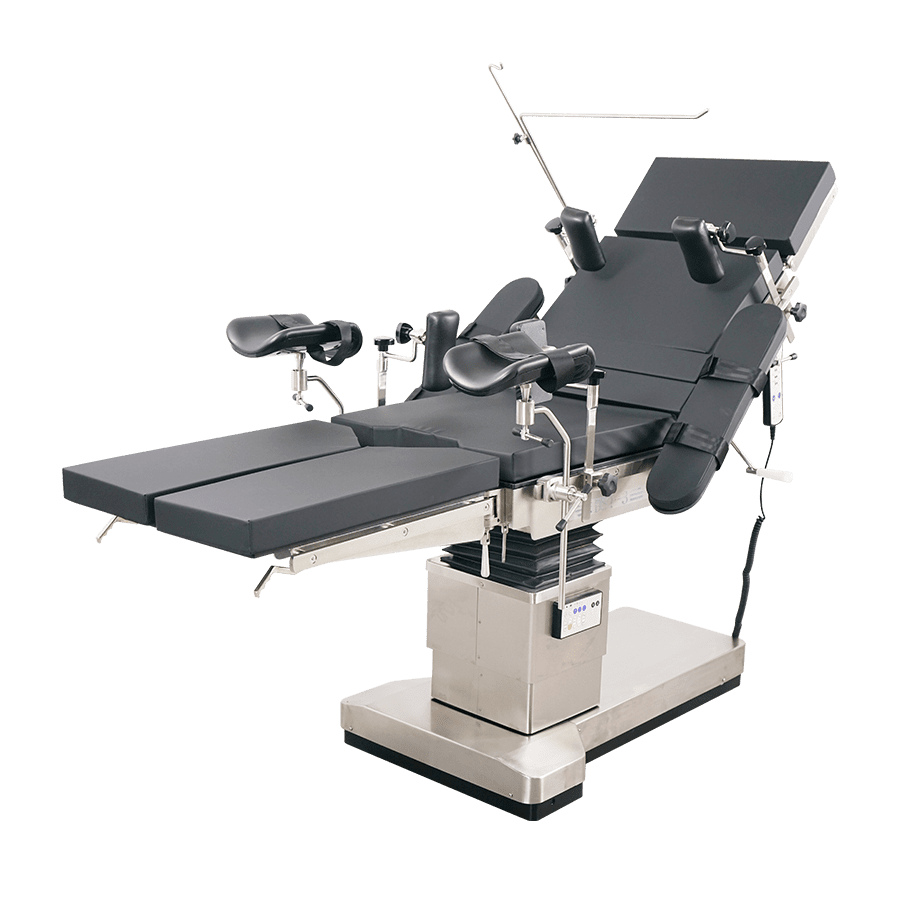
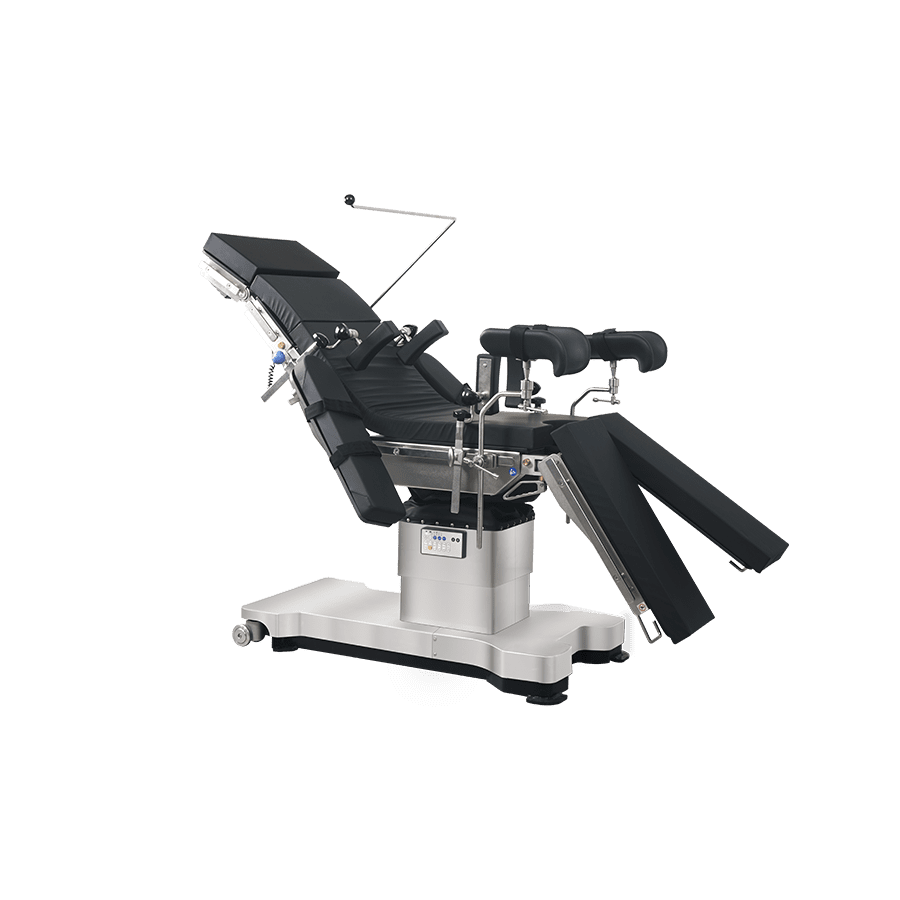
Los hospitales necesitan mesas de quirófano versátiles que sirvan para varios departamentos. Los segmentos de precio de las mesas de quirófano de gama media-alta ofrecen el mejor equilibrio.
Los CSA suelen dar prioridad a un diseño compacto y a la rentabilidad, manteniendo al mismo tiempo el ajuste eléctrico.
Los distribuidores se centran en la competitividad de los precios de las mesas de quirófano, el alcance de la certificación y la adaptabilidad del mercado.
Cuando compare proveedores, tenga en cuenta algo más que el precio de la mesa de quirófano.
Criterios clave de evaluación:
Un precio de mesa de quirófano ligeramente superior suele reflejar una mayor asistencia posventa y fiabilidad.
Los compradores pueden optimizar el precio de la mesa de quirófano:
La configuración estratégica puede reducir el precio de la mesa de quirófano manteniendo el rendimiento.
El mercado de las mesas de quirófano sigue evolucionando debido a:
Aunque estas innovaciones pueden aumentar el precio de la mesa de quirófano a corto plazo, mejoran el valor clínico a largo plazo.
La elección de la mesa de quirófano adecuada requiere un cuidadoso equilibrio entre precio, funcionalidad, seguridad y valor a largo plazo. Aunque el precio de las mesas de quirófano varía mucho en función de la configuración, los materiales y la tecnología, centrarse únicamente en el coste inicial puede suponer mayores gastos a lo largo del tiempo.
Una mesa de quirófano bien diseñada mejora la eficacia quirúrgica, aumenta la seguridad del paciente y ofrece un rendimiento fiable durante años de uso clínico. Al evaluar el coste total de propiedad, las certificaciones, la credibilidad del proveedor y la adaptabilidad futura, los compradores pueden tomar decisiones informadas que protejan tanto los resultados clínicos como la inversión financiera.
A largo plazo, el verdadero valor de una mesa de quirófano no reside en su precio, sino en su fiabilidad, versatilidad y contribución a la excelencia quirúrgica.
El precio medio de una mesa de quirófano oscila entre $5.000 y $25.000, dependiendo de si la mesa es eléctrica, electrohidráulica o compatible con el diagnóstico por imagen.
Las mesas de quirófano compatibles con la imagen utilizan materiales radiotransparentes como la fibra de carbono e ingeniería de precisión, lo que aumenta considerablemente el precio de la mesa de quirófano.
No siempre, pero un precio más elevado de una mesa de quirófano suele reflejar una mayor durabilidad, un funcionamiento más suave, certificaciones más sólidas y una vida útil más larga.
Una mesa de quirófano de alta calidad suele durar entre 10 y 15 años con un mantenimiento adecuado.
Sí. Las configuraciones modulares permiten a los compradores personalizar una mesa de quirófano y gestionar el precio de la mesa de quirófano de forma eficaz.


