Adresse
304 North Cardinal St.
Centre de Dorchester, MA 02124
Heures de travail
Du lundi au vendredi : de 7h00 à 19h00
Le week-end : 10H00 - 17H00
Adresse
304 North Cardinal St.
Centre de Dorchester, MA 02124
Heures de travail
Du lundi au vendredi : de 7h00 à 19h00
Le week-end : 10H00 - 17H00

 Pardemanmed
Bienvenue sur mon blog !
Avant d'entrer dans le vif du sujet, si vous êtes intéressé par nos produits ou si vous avez des questions, n'hésitez pas à consulter notre page "Contactez-nous" sur le site web. Notre équipe est prête à vous aider à répondre à vos questions, à passer vos commandes ou à vous apporter toute l'assistance dont vous pourriez avoir besoin.
Maintenant, commençons notre voyage ensemble. J'espère que vous trouverez le contenu de ce site perspicace, intéressant et utile.
Dans le contexte actuel des soins de santé, le choix du bon équipement médical durable est une décision cruciale pour les hôpitaux, les cliniques, les maisons de retraite, les centres de rééducation et les prestataires de soins à domicile. Les équipements médicaux durables jouent un rôle essentiel dans les soins aux patients, l'efficacité opérationnelle, la sécurité et la maîtrise des coûts à long terme. Contrairement aux fournitures médicales jetables, les équipements médicaux durables sont conçus pour une utilisation répétée sur une longue période, et durent souvent plusieurs années, voire plusieurs décennies, s'ils sont correctement entretenus.
Des lits d'hôpitaux aux tables d'opération en passant par les fauteuils roulants, les lève-personnes et les meubles de diagnostic, les équipements médicaux durables ont un impact direct sur le confort des patients, la productivité du personnel soignant et la conformité aux réglementations. Le choix d'un équipement médical durable de qualité médiocre peut entraîner des pannes fréquentes, une augmentation des coûts de maintenance, des risques pour la sécurité et même des responsabilités juridiques. En revanche, investir dans des équipements médicaux durables de haute qualité garantit une valeur et une fiabilité à long terme, ainsi que de meilleurs résultats en matière de soins de santé.
Ce guide complet vous explique comment choisir un équipement médical durable de haute qualité pour une utilisation à long terme, en abordant des facteurs essentiels tels que les matériaux, les certifications, les normes de fabrication, le coût total de possession et la fiabilité des fournisseurs. Que vous soyez administrateur de soins de santé, responsable des achats, distributeur ou propriétaire d'une clinique, le fait de savoir comment évaluer les équipements médicaux durables vous aidera à prendre des décisions éclairées et rentables.
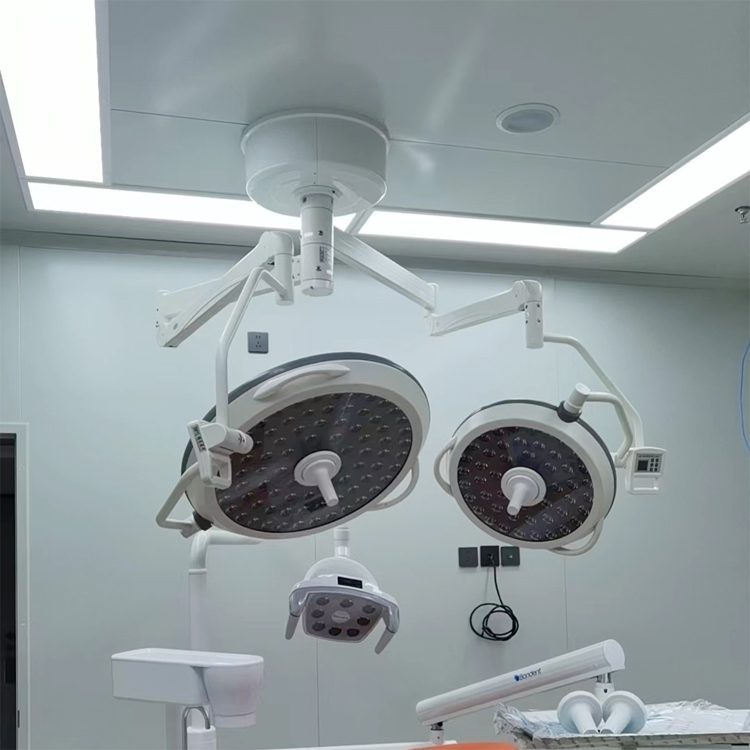
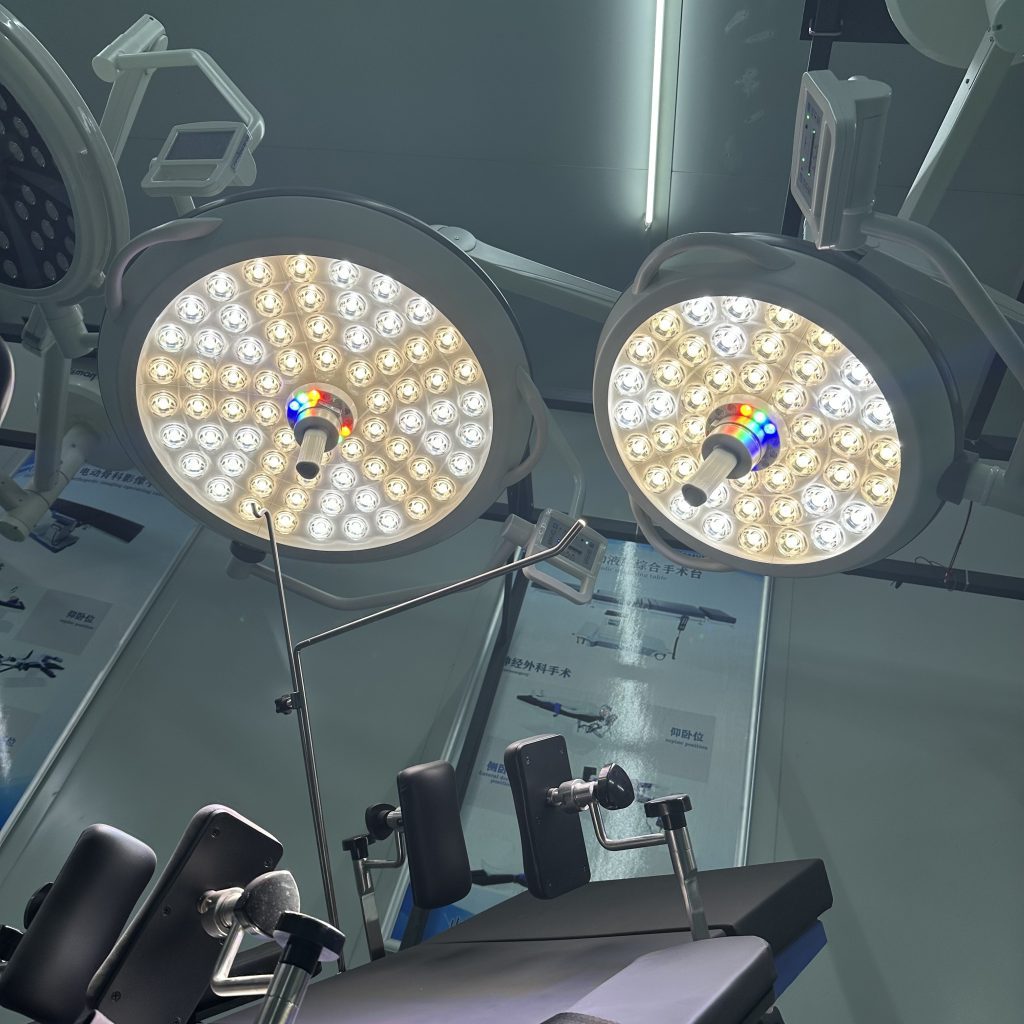
L'équipement médical durable (communément abrégé en DME) fait référence aux dispositifs et équipements médicaux qui sont.. :
Les catégories courantes d'équipements médicaux durables sont les suivantes
La caractéristique principale des équipements médicaux durables est la durabilité. Un équipement médical durable de haute qualité doit conserver ses performances, sa sécurité et son intégrité structurelle, même en cas d'utilisation clinique continue.
Investir dans un équipement médical durable de haute qualité n'est pas seulement une question de performance initiale, c'est aussi une question de valeur à long terme. Un équipement médical durable de mauvaise qualité a souvent pour conséquence.. :
L'équipement médical durable de haute qualité, quant à lui, fournit :
Dans les environnements de soins de santé où la fiabilité de l'équipement peut directement affecter les résultats des patients, le choix d'un équipement médical durable de qualité supérieure est une décision stratégique plutôt qu'une dépense.
L'un des aspects les plus importants des équipements médicaux durables est le matériau utilisé pour leur construction. Les matériaux de haute qualité garantissent la solidité, la résistance à la corrosion et la stabilité à long terme.
Les matériaux couramment utilisés dans les équipements médicaux durables sont les suivants
| Matériau | Avantages | Applications typiques |
|---|---|---|
| Acier inoxydable 304 | Résistant à la corrosion, facile à nettoyer, longue durée de vie | Tables d'opération, lampes chirurgicales |
| Acier peint par poudrage | Finition solide, économique et durable | Lits d'hôpitaux, chariots médicaux |
| Alliage d'aluminium | Léger, résistant à la rouille | Équipement de mobilité |
| Plastique technique ABS | Résistant aux chocs, entretien facile | Têtes de lit, panneaux de commande |
Pour une utilisation à long terme, les équipements médicaux durables fabriqués en acier inoxydable 304 ou en acier renforcé sont généralement préférés, en particulier dans les environnements chirurgicaux et les unités de soins intensifs.
Les équipements médicaux durables de haute qualité doivent être conformes aux normes internationales reconnues. Les certifications sont la preuve que l'équipement médical durable répond aux exigences de sécurité, de qualité et de performance.
Les certifications les plus courantes sont les suivantes
| Certification | Signification |
|---|---|
| CE | Conformité aux normes européennes de santé et de sécurité |
| ISO 13485 | Système de gestion de la qualité pour les dispositifs médicaux |
| ISO 9001 | Système général de gestion de la qualité |
| Normes CEI | Conformité en matière de sécurité électrique |
Lorsque vous évaluez des équipements médicaux durables, demandez toujours des documents de certification valides. Les équipements médicaux durables certifiés réduisent le risque réglementaire et renforcent la crédibilité du marché.
Les équipements médicaux durables doivent avoir des performances constantes dans le temps. Les principaux facteurs de performance à évaluer sont les suivants
Par exemple, un lit d'hôpital électrique classé comme équipement médical durable doit fonctionner en douceur, même après des milliers de cycles de levage. Les tests de performance sont essentiels lors de la sélection d'équipements médicaux durables pour une utilisation à long terme.
Tout équipement médical durable, aussi perfectionné soit-il, nécessite une maintenance. Les équipements médicaux durables de haute qualité sont conçus pour un entretien facile, avec des composants standardisés et des pièces de rechange facilement disponibles.
Réfléchissez aux questions suivantes :
Les équipements médicaux durables de conception modulaire réduisent souvent les coûts de maintenance et les temps d'arrêt.
Lors de l'achat d'un équipement médical durable, il peut être trompeur de se concentrer uniquement sur le prix initial. Une évaluation plus précise porte sur le coût total de possession, qui comprend :
| Élément de coût | Description |
|---|---|
| Coût d'achat initial | Prix de l'équipement |
| Coût de l'installation | Installation et mise en service |
| Coût de la maintenance | Réparations et entretien |
| Coût des pièces de rechange | Composants de remplacement |
| Coût du temps d'arrêt | Perte de productivité |
| Durée de vie | Années d'utilisation efficace |
Les équipements médicaux durables de haute qualité peuvent avoir un coût initial plus élevé, mais ils offrent généralement un coût total de possession moins élevé tout au long de leur cycle de vie.
Le fournisseur est tout aussi important que le produit lui-même. Un fournisseur fiable garantit une qualité constante, des livraisons stables et une coopération à long terme.
| Critères d'évaluation | Pourquoi c'est important |
|---|---|
| Expérience en matière de fabrication | Indique la maturité du produit |
| Capacités de l'usine | Assurer la cohérence de la production |
| Système de contrôle de la qualité | Réduire le taux de défectuosité |
| Expérience en matière d'exportation | Familiarité avec les normes mondiales |
| Capacité de personnalisation | Répond à des besoins cliniques spécifiques |
Un fournisseur réputé d'équipements médicaux durables doit être transparent sur les processus de fabrication, les normes d'essai et les systèmes d'assurance qualité.
Les hôpitaux ont besoin d'équipements médicaux durables dotés d'une capacité de charge élevée, d'une fonctionnalité avancée et d'une conformité stricte aux normes médicales. Les produits typiques sont les suivants :
Les cliniques donnent souvent la priorité à des équipements médicaux durables compacts et rentables, tels que les appareils suivants
Ces établissements s'appuient fortement sur des équipements médicaux durables qui améliorent le confort des patients et l'efficacité du personnel soignant :
Évitez ces erreurs fréquentes lors de la sélection d'équipements médicaux durables :
Chacune de ces erreurs peut réduire de manière significative la durée de vie effective des équipements médicaux durables.
Le secteur des équipements médicaux durables continue d'évoluer avec les progrès de la technologie et des matériaux. Les tendances émergentes sont les suivantes :
Investir dans des équipements médicaux durables compatibles avec l'avenir garantit une utilisation et une adaptabilité à long terme.
Le choix d'un équipement médical durable de haute qualité pour une utilisation à long terme est un investissement stratégique qui a un impact direct sur la qualité des soins de santé, l'efficacité opérationnelle et la viabilité financière. En évaluant soigneusement la qualité des matériaux, les certifications, la stabilité des performances, les exigences en matière de maintenance et le coût total de possession, les prestataires de soins de santé peuvent réduire considérablement les risques et améliorer les résultats à long terme.
Les équipements médicaux durables de haute qualité offrent une fiabilité supérieure, une durée de vie plus longue et une meilleure sécurité pour les patients par rapport aux alternatives bon marché. Un partenariat avec un fournisseur digne de confiance garantit en outre une qualité constante et un soutien à long terme. En définitive, il est essentiel de prendre des décisions éclairées en matière d'équipements médicaux durables pour créer un environnement de soins de santé durable et efficace.
Les équipements médicaux durables sont des dispositifs médicaux conçus pour une utilisation prolongée ou répétée, tels que les lits d'hôpitaux, les tables d'opération, les fauteuils roulants et les chariots médicaux.
Les équipements médicaux durables de haute qualité peuvent durer de 5 à 15 ans, voire plus, en fonction de l'utilisation, de l'entretien et de la qualité des matériaux.
Les certifications garantissent que équipements médicaux durables respecte les normes de sécurité, de performance et de réglementation, réduisant ainsi les risques et garantissant la conformité.
Pas nécessairement. La clé, c'est la valeur. Les équipements médicaux durables de haute qualité offrent de meilleures performances et un coût total de possession inférieur, même si le prix initial est plus élevé.
Vérifiez les certifications, demandez des rapports d'essai, évaluez les spécifications des matériaux et choisissez des fournisseurs ayant une expérience éprouvée de la fabrication.


